Episode 19
Build Once, Have Forever w/ Matt Silverman
March 5, 2026 • 57:17
Host
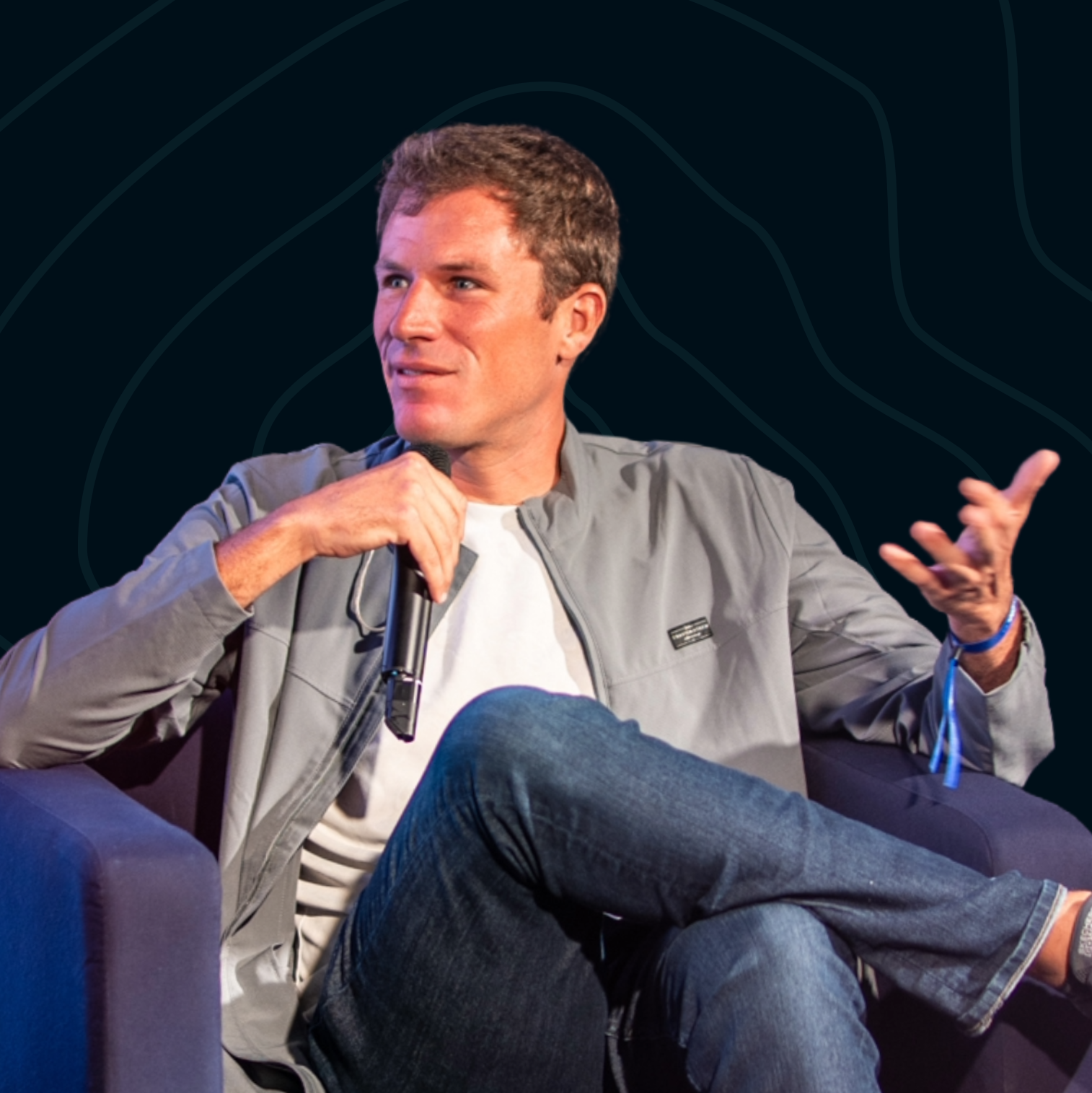
Rex Kirshner
Guest
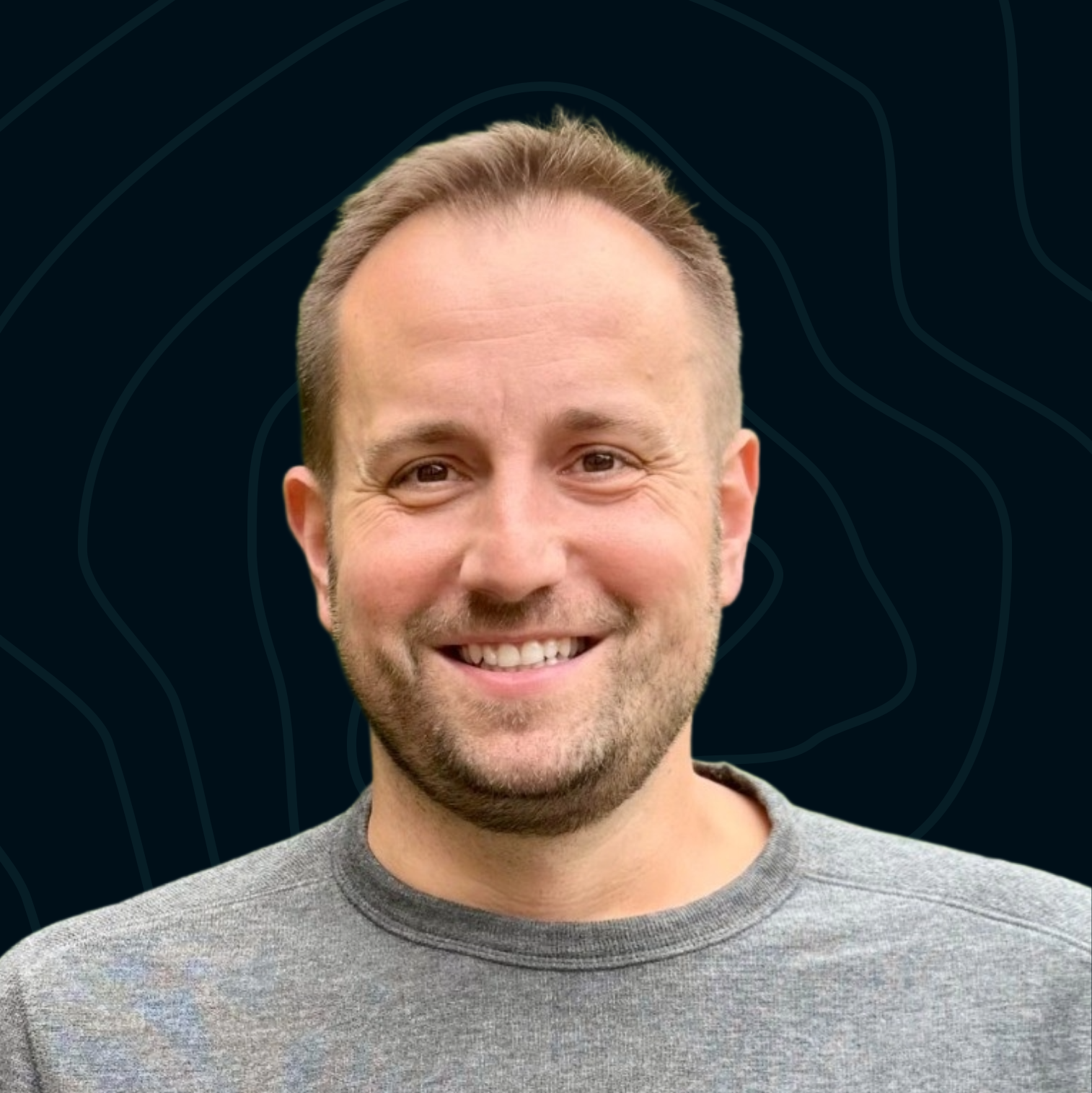
Matt Silverman
About This Episode
Rex sits down with Matt Silverman for a grounded conversation about what actually changes when AI agents become part of everyday work. They start with crypto’s uncertain role in an AI-first world, then get practical: voice-driven coding, parallel agents, custom internal tools, small personal apps, local models, and the idea that in a world where software gets rewritten constantly, the durable asset may be data, context, and trust—not the code itself.
Transcript
Matt Silverman (00:00.172)
You know what, I apologize. I left my water downstairs, which I will need for the long conversation. I'll be right back.
Rex Kirshner (00:02.821)
go for it, go for it,
Matt Silverman (00:55.022)
All
Rex Kirshner (00:56.581)
All right, cool. You ready? All right.
Matt Silverman (00:59.618)
Yes, I'm ready.
Rex Kirshner (01:03.141)
Matt, welcome to the Signaling Theory podcast. Yeah, man, it's been a while. This is like our first conversation not about crypto, at least that's being recorded.
Matt Silverman (01:05.806)
Thanks, Rex. Great to see you.
Matt Silverman (01:15.502)
Probably maybe for the better. I don't know.
Rex Kirshner (01:18.877)
Yeah, I mean, I guess just to like spin the wheels a little bit. I don't know. Like, what do you think? Is the cycle over? Like, is there not really like juice left to squeeze there? Are you out of crypto? Like, what's here?
Matt Silverman (01:30.61)
I'm still in it for the long term. think as AI coding agents kind of help speed up the development of some of the blockchain tech, I think we just really need the regulation to catch up and like, that's really it. I mean, I think the technology is still sound and solves a fundamental problem.
Rex Kirshner (01:48.581)
Yeah, I hear you. I, I don't know. Okay. We'll dedicate like five minutes to this, but like to me, I am like a little bit in the existential crisis of the technology itself and like less about like the core principles of like, why does this make sense? Like what, what were we trying to do? like really when Vitalik put up out a post that was essentially like a roll up centric roadmap, we might've made a mistake to me that just, it really shatters a lot of
Matt Silverman (01:54.478)
Thank
Matt Silverman (02:11.246)
Yeah.
Rex Kirshner (02:18.459)
where I thought we were going and like directly, like if you're not doing the roll up centric roadmap, was all of dank sharding a mistake? Like all of this blob stuff, like, and so, you know, I still believe in this idea of credibly neutral rails that we all kind of own just in our participation, but I don't really know where we go from here.
Matt Silverman (02:42.062)
Yeah, I mean, I do think ultimately they still have to pivot as a network to kind of where the problems need to be solved. So I don't know enough about the nuances of like, I mean, I know his announcement about L2s, but yeah, I don't think I can speak to it enough specifically there other than just knowing that the fundamentals of blockchain, which is that no centralized entity should own a critical database like that sound. And I think
Rex Kirshner (02:58.172)
Yeah.
Matt Silverman (03:09.474)
that will be the norm for things like financial transactions and ownership.
Rex Kirshner (03:14.033)
Yeah. Well, I mean, this is probably a good segue to just talking about, agents and like this new AI world. So, you know, like later in the conversation, I definitely want to get more specific and talk about like what you're doing with them and how your workflow is evolving. And, know, the point of this new iteration of this podcast is really like building with AI agents is incredible, but it's kind of like inherently isolating because you just get, you get so much done so fast and.
Matt Silverman (03:29.155)
Yeah.
Rex Kirshner (03:43.835)
It's almost slows you down to talk to other people. And then you just find like, my God, like I have no idea if I'm using these tools well, or people are doing like just like such more obvious stuff. And the point of this podcast is just to get us to start talking about like, what are you doing? But, to, make this transition more, I don't know, interesting.
To me, it's clear that if crypto has a role in the future, it is related to AI. And I always used to say, AI is this technology of abundance and moving faster and faster and faster and just endless acceleration, whereas crypto, by its nature, is the opposite. It's scarcity. It's about slowing things down. It's about even playing fields. And I always thought those have to be two sides of the
coin. I'm just not sure how it plays out. You could find me saying that on a podcast in like 2022. Now, the agents are so good and we play with them every day. I'm more convinced of that thesis, even though I don't really know how it's going to play out. But I'll stop talking there and just would love to get your reaction. mean, how is your understanding of what crypto is for evolving based on what we see in agents, if at all?
Matt Silverman (05:01.698)
Yeah, think, well, I mean, the ability for agents to kind of securely transact and have kind of like a walled garden of a wallet, so to speak, I think is sound, a sound use case for crypto. It's like, you don't have to give it access to your credit card. Like you just have much tighter control. So I think that allows people to trust agents with drastically more than what they would have been without crypto behind the scenes. So I think, yeah, I think that's a super powerful intersection of crypto.
and AI as you touched on. I mean, I think one other area that we're going to see with intersection of AI and blockchain is related to validation of content because I think the number of months left before you could see a video and know if it's AI or real is probably one hand worth maybe. So.
Rex Kirshner (05:54.813)
It's over. Yeah. Yeah.
Matt Silverman (05:59.182)
you'll need to know where content originated. And I think you'll probably see more apps like Instagram require you actually take original content in their app so they can validate it. Or it could come from some other third party validated service. And I don't know how else you get many apps to agree on what that is without some sort of blockchain middleware.
Rex Kirshner (06:18.701)
Mm-hmm Yeah, no, and you hear like on Twitter
people talk about, especially like boomers who don't know anything about technology talk about how, like it's imperative that we create regulations so that like AI companies are water stamping all of their images and videos so that we know if it's AI generated. And it's like, I mean, come on, man, the cat's out of the bag. We have open weight models. Like it's really easy to generate content around regulation. But you know, my, like, let's, if you were a VC right now and you're like Rex,
Matt Silverman (06:41.325)
Yeah, exactly.
Rex Kirshner (06:51.517)
You have five million dollars to give to you. What company would you start? Like what I would do is essentially just suck up every piece of content on the internet create some sort of commitment or hash or whatever and then just put that hash on the blockchain and then like it's not really about like can you tell if this piece of content was AI generated or not, but it's more like
Okay, now we have identity for content. have, like we can see it over time. We can see when things appeared and, you know, build just kind of like something much less ephemeral and much more gives us the ability to say truth in blockchain than we could by like trying to enforce AI, putting that truth into the content. I don't know. Does that, that resonate to you?
Matt Silverman (07:41.862)
Yeah, I mean, I well, I do think there still will be a layer of trust of whomever you're consuming your content from, be it a news organization or someone on X, like that is a level of trust that maybe that's all the confirmation you as a consumer need. And if they are putting the content out there, it's valid, but you need to know it was actually at least created by that person or that they are vouching for it. When you combine like,
Rex Kirshner (08:03.229)
Mm-hmm.
Matt Silverman (08:08.386)
getting a hardware signature from a physical device and validating that it came from this specific camera or this specific phone, that I think also just will be abstracted with some of these validations that can happen with blockchain. But yeah, mean, look, it's a whole separate tangent, but I think that there's just one other area, one other interesting area of intersection with blockchain and AI will be content validation.
Rex Kirshner (08:20.304)
Yeah.
Rex Kirshner (08:33.021)
Yeah, no, I think that's spot on. another, again, this is like very woo and big picture, but I would love to get your reaction. You know, I...
Like we created the internet, right? And I think back in like 1990, it was really easy to like look at the internet and think this is going to like really like all the value is going to come from changing how we do things today. And like for sure, so much value, you know, instead of bookstores, we have Amazon. Like that is a very clear example of that playing out. But then you look at where the real value of the internet is and it's not in things that existed in analog and that
we digitized into the internet. It's things that literally couldn't have existed before there was the internet. And I'm thinking specifically of social media and like kind of content platforms. And so what I wonder, and this is a conversation both about crypto and AI independently, but also together is maybe the value we create is not going to be like, we built, you know, rails to replace our financial system. Maybe the financial system really always sticks to
what it does, but we created rails that open up entire new categories that weren't possible before we had the technology.
Matt Silverman (09:51.553)
Yes.
Well, I mean, so I think what you're getting at is something I've been thinking of a lot, which is previously like in web 2.0, the moat was that you could build this thing and get all the engineers together, keep it up, plus build, the trust people use it. So was like really hard. Now anyone can build this thing and it's getting easier, but let's say a year from now, anyone with zero technical knowledge could build, just say the word and build Reddit, any functional app with backend, everything.
Rex Kirshner (10:11.804)
Mm-hmm.
Matt Silverman (10:24.076)
And it'll look better than what Reddit looks like today. So when that's the case, how do you possibly differentiate? Everyone could launch anything. Like how do you differentiate between these apps? There aren't those motes don't exist. So instead you'll probably get more, some more fragmentation, a lot of site, like instead of Reddit having a million subreddits, you'll get a Reddit clone. That's literally just for one of the subreddits contents and they don't need Reddit anymore because Reddit was like not designed to support deep into these niches.
Rex Kirshner (10:47.741)
Mm-hmm.
Matt Silverman (10:54.222)
But then if you look at like the network effect type companies like DoorDash and Uber Eats, now if anyone could do the tech side, you'll probably see a whole new realm of these businesses spin up where they can use blockchain incentives to give the participants ownership in it. So instead of purely paying the drivers in US dollars, they could also earn shares in the company and that could be the sweetener to get them to switch away from driving for.
Lyft or whatever, take whatever logistics opportunities there are for people to participate in. That's super interesting to me because I think you could build a lot of these network plays using tokens. And since the development part is totally commoditized now, like it'll make a lot of stuff possible for small companies to do that you couldn't have previously dreamed of doing.
Rex Kirshner (11:44.453)
Yeah. Yeah. No, I mean, I think that's interesting. You know, just because of like my kind of...
unfortunate experience with tokens and blockchain incentives, which like as someone who joined crypto in 2021, I essentially got suckered in dumped on and like things didn't really get better from there. So like I'm a little scared of anything that has to do with tokens or incentive. And that means makes me think never really think about it. But, you know, if I put like my opt sorry. Yeah.
Matt Silverman (12:05.794)
Yes.
Matt Silverman (12:15.214)
Well, think of it just as stock. Like, think of it as stock. Like, because I think that is what it will be called. I don't think, I think this same negative connotations may exist forever with the term NFTs and blockchain. Like, so just, you get a, you earn something, you understand, you earn it and you, you own whatever it is. So if it could be shares in a company, but that previously was impossible to do for like a startup. Like you couldn't give thousands of drivers shares of your company. Like it just wouldn't, it's like,
Rex Kirshner (12:26.663)
Mm-hmm.
Rex Kirshner (12:32.679)
Mm-hmm.
Matt Silverman (12:43.864)
There was no operational way to even do it, let alone legal framework.
Rex Kirshner (12:47.257)
Yeah, yeah, no, mean, I definitely, you gave me something new to think about. cause again, like I said, I was just allergic to even thinking about blockchain related incentives.
So I think going back to your point about how like in the future we might see and you know, like more fragmentation because Like you'll have like a specific reddit as opposed to like because it's so easy to spin it up I think to expand on that thought a little bit more something that like of course We're both noticing I know without having this conversation at all But I know that we're both noticing that what these tools do what they enable is
creating custom solutions for.
like your own like weird intricacies that like in the past it just it wasn't worth creating a bespoke application for one person when like it was just easier like I'll just pay for notion it's all made and I don't have to worry about the technology and I'll just like try to jam in what I want to do into it and so you know I kind of see the same future as you that like instead of Reddit will have like a billion different Reddit like things but I don't see that as like
this degradation of the internet from monolith to like super specific communities. Instead I see that more as like everyone is gonna build their own custom solutions and it's just like a world where the barrier to entry to writing code and making software do exactly what you want is so low that like why wouldn't you?
Matt Silverman (14:28.482)
Yeah. Well, mean, and I guess maintaining it though is the other that just, so anyone can build initially, but to keep up on it with the demands of your community or whatever. mean, that part, think is still only the best will survive getting the full loop.
Rex Kirshner (14:41.775)
Yeah. Yeah. But you know, like every single day that these models get better, like that, I question that, right? Because like today without models, like you need a team to maintain code and keep an eye on it and whatever. But like, even think with like Opus 4.6, like there's a world where you just have your code going and then you assign an agent to it, watch the logs. If there's ever an error, just go fix it. like.
Matt Silverman (14:55.854)
Yeah.
Matt Silverman (15:09.272)
watch the support email. Yeah. So I mean, that goes back then to like the number one scarce resource will be just trust and recognition.
Rex Kirshner (15:11.525)
Yeah, yeah.
Rex Kirshner (15:23.537)
Well, and that is like pretty bullish on crypto because like at the end of the day, you take all the incentives, you take all the like pumping and dumping and all just like the crap that most people think of when they think of crypto. You take all it out. It's like, what is crypto in its best incarnation trying to do? It's trying to create and then sell trust or like math math like, yeah, trustless trust, right? Like
Matt Silverman (15:45.282)
Yeah, or make it portable, I guess.
Rex Kirshner (15:50.083)
You have trust in the system because you don't have to trust anyone in the system. yeah, it again, I see two sides of the same coin. I just don't really understand what the coin looks like.
Matt Silverman (15:54.573)
Yes.
Matt Silverman (16:02.04)
Well, if you think like some sites today, they want, ask you to enter in your credit card or charge a dollar just to validate you. Like this, think people would be willing to validate their finances if as long as they understood that the finances weren't actually being shared or their name wasn't being shared with the site, it's just an anonymous ID and that could kind of create their social kind of validation for, to be able to post on a site or to be able to do, you know, whatever, participate. I think that's super powerful. It's just something that.
most people can't even imagine doing right now because it sounds like, I wouldn't give my bank access to this site so I could post a comment. But effectively, that's what crypto can allow while still maintaining your privacy.
Rex Kirshner (16:40.38)
Yeah.
Rex Kirshner (16:45.597)
Yeah. Yeah. And then you get into ZK and it's like, you can prove that you're, let's say like over 21 without saying like anything about you. Like that, you know, that's like the real cool part of cryptography.
Matt Silverman (16:51.928)
Yes. Yeah.
Matt Silverman (16:58.486)
Yes, and that I think is like, that'll be so fundamental to how we're using technology soon. There's no question.
Rex Kirshner (17:06.941)
I hope man, because like literally every single day you see like another like institution that is at the center of all of our personal information has been hacked. And like, I don't know about you, but literally minimum two times a day, often more, I get a call and a voicemail saying, we want to talk to you about your business loan. You've been approved for like $250,000. And I'm like, I don't have a business. And I never applied for a loan. this is, this is a scam. And this happens because we have given up all of our information and all of it's
Matt Silverman (17:15.95)
Rex Kirshner (17:36.955)
hacked and like
Matt Silverman (17:38.35)
And we never actually had a good system to validate the like, literally your social security number. Like that's your, that's the security and like all the other. Right. Like it was totally crazy. So it was like long overdue for that to be overhauled.
Rex Kirshner (17:43.901)
Yeah, that's your private key.
Rex Kirshner (17:52.581)
Yeah, yeah, cool. Well, I guess let me get back to where I should have started so that we can kind of get into your actual experience with these tools. But can you just tell the audience and remind me what are you working on these days? And then, yeah, just tell us what you're working on these days. And then I would love like you were.
the first person I know that was seriously working with these tools. So I'd love to just hear kind of like your takes on like your journey and what it feels like today versus what it was yesterday and how much you've transformed like how you work because of these tools.
Matt Silverman (18:27.585)
Yeah, so maybe, I mean, I'll start maybe with the latter, which is like just how I got into them. like I started just, I mean, I've always been interested in programming, but I didn't really have the patience or memory of syntax to like keep it going for the years. And so when I think it was like, I'm say chat GBT 4.0 was out and you could, I could just kind of do the copy and paste. You do it in the chat, you then paste it into your, you know, into VS code. And I was getting like functional stuff to work. was like, like this is way more than I could have ever done myself.
Rex Kirshner (18:49.626)
Yeah.
Matt Silverman (18:56.556)
But you couldn't do too much with it. So it just kind of sat. And then I think it was finally when I want to say sonnet 3.5 or something around there came out that like, yeah. And then like, I could actually make real functional stuff. I think it was actually when cursor first came out that like, that was a big leap. And I could put together those little tools that I've been thinking about, like a silly thing, like an airport time calculator, like, you know, what time your flight's boarding entrance and variables and
Rex Kirshner (19:04.186)
Yeah, so like last fall.
Matt Silverman (19:24.504)
tell it what time do have to get the Uber to come pick you up or something like just silly stuff that I would never had time to do. And so that was probably the first app I built end to end like in React. Was that like a silly airport one? And it's still, you know, I still use it every time I travel today. And that was like, you know, a year and a half ago. But then Cloud Code was a big turning point and most specific to Cloud Code was when the dangerously accept permissions.
Rex Kirshner (19:27.045)
Yeah.
Matt Silverman (19:53.966)
uh, or ignore permission, whatever the, the lag is. Like when I discovered that and you could have the agent really just running with no intervention to complete every task. Like then my throughput, I want to say at least 10x. And so, um, I think everything was good enough once Opus four or 4.1 or whatever came out. Like there was starting to be like, I could now solve pretty much any engineering challenge.
Rex Kirshner (19:56.401)
Yeah, yeah.
Rex Kirshner (20:19.388)
Mm-hmm.
Matt Silverman (20:24.216)
Got my hands on.
and so, yeah, so cloud code and then, parallelizing the agents. having, I would have one agent focusing on front end, one on back end and communicating with each other. Then I realized that the, the mono repo was like the way to go for, for agent tech stuff, but then get work trees allowed me to still have agents working in the same file system. and so, yeah, so getting into, you would ask like what specific projects though.
Rex Kirshner (20:35.868)
Yeah.
Matt Silverman (20:57.422)
So let's see, I kind of got into watching like precious metals and stuff, like so kind of almost an overcorrection from crypto, to fit in, know, things that are provably scarce and you can hold in your hand. And so I like, there was a subreddit where you can buy and sell precious metals and they'd establish their own trust system on it. It's called like PMs for sale. And so I got into that and it was like buying and selling, and then I created, or I got frustrated because.
Rex Kirshner (21:02.806)
Yeah.
You
Rex Kirshner (21:09.596)
Yeah.
Matt Silverman (21:26.072)
you would browse people's listings that they post on Reddit and everyone used Imgur for the images, which Imgur used to be like the greatest thing ever when Reddit first came out. But now it's just kind of riddled with ads. And if you try to like zoom in on a photo, you like get taken to this ad page against your will and all this stuff. So was like, this is really silly. Like I could build a replacement for this in a weekend. And so I did. And so it's called Coindex.
Rex Kirshner (21:41.23)
you
Matt Silverman (21:52.938)
Coindex.app and I literally created image upload photo just service just for like precious metals and coin photos and now like a good maybe third one third of the people in the subreddit are using it to do their images And it's like I think in three months It launched about three months ago about 15 gigs of photos have been uploaded to it I use cloudflare for the image hosting and the bill is almost zero dollars because it's so inexpensive to host stuff on cloudflare
Rex Kirshner (22:04.594)
Nice.
Rex Kirshner (22:16.668)
Yeah.
Yeah.
Matt Silverman (22:23.214)
Um, so that's one of the realms. I've been doing a lot of data pipeline stuff, pulling, um, commodities data, making it kind of openly accessible. Um, and then for work, so I have two separate Claude max plans, one for personal one for work. And so for work, I've been doing end to end data pipelines, tying together all of our sales data from different sources, like our point of sale system and everything into a custom chat bot that we know we have dozens of people using internally to query our.
our sales data, that we couldn't even hook in those pipelines together previously without significant amount of engineering work. And now I'm able to like, yeah.
Rex Kirshner (22:59.899)
Yeah. Yeah. So like, let's talk, like, we'll stay on like professional for just a moment and then we'll get back to the personal projects. But like how
Rex Kirshner (23:14.183)
How do I put this? Do you find yourself building things that weren't possible before, or do you find yourself just getting through your task list a lot faster?
Matt Silverman (23:26.67)
I'd say my task list has changed because I used to much more time on email, which is still the primary way that most of our company communicates. But now I use Whisper Flow, the voice to text, to get all the ideas out of my head at 170 words per minute instead of typing and correcting typos and stuff. And then that can help create just much more quality content. I use shortwave for email, so it kind of.
Rex Kirshner (23:32.818)
Mm.
Rex Kirshner (23:46.802)
Yeah.
Matt Silverman (23:54.702)
forms those thoughts into coherent, organized emails. And then I can actually spend more time literally coding and then getting feedback from the people using the app to improve the underlying agent that's querying all the data about our company in one place.
Rex Kirshner (24:10.757)
Yeah. So what's your experience with WhisperSync like? that like, is it a better experience to be like coding just by like talking or is it, I mean, is the transcription good enough? I mean, yeah, like I'm curious. WhisperFlow. Yeah.
Matt Silverman (24:18.592)
yeah.
So yeah, so the app I use is Whisper Flow, W-I-S-P-R. I mean, according to their CEO, I'm the number one user of it. It gives you stats. like I've been using it, I started using it 214 days ago and I've used it every single day since. They have a mobile keyboard on your phone and I've dictated over 2 million words to it in that time, averaging 170 words per minute.
Rex Kirshner (24:31.099)
You
Rex Kirshner (24:51.643)
Wait, so, okay, like specifically how does this work? So it's a iPhone keyboard and then you're in the Clot app.
Matt Silverman (24:59.726)
So best way to describe is on your like on my MacBook they you'd sell the whisper flow app and then anytime you push and hold down the function key on your keyboard any Interface like where you would be typing it will just rattle off what you're saying and so You have to kind of see it to understand it But it uses just a sprinkle of AI to like improve the formatting So if you say like meet me at the park at 4 p.m. Oh wait, no 5 p.m
Rex Kirshner (25:03.846)
Mm-hmm.
Rex Kirshner (25:24.487)
Hmm.
Rex Kirshner (25:28.518)
Yeah.
Matt Silverman (25:28.686)
It'll actually write, me at the park at 5 p.m.
Rex Kirshner (25:31.84)
Hmm. That's, that's definitely like what I'm curious about because I think the reality is I talk faster than I think, I think we all do. Um, and like, that's kind of like the source of a lot of the world's problems, right? But it's especially when I'm coding, I understand that like in the time it takes me to type stuff out, the thoughts are still developing and, um, I'm wondering if you just run into a lot of things where that manifests.
Matt Silverman (26:00.799)
Yes, but it's like the coding agents are malleable enough where you can add in something. if you like, you're saying like you could benefit from like having to think through it more before putting it in. that?
Rex Kirshner (26:14.735)
Sure, that is probably even more generous than what I'm saying, which is like, haven't, it's not that I would benefit from thinking through things more, it's like I haven't even thought of it yet.
Matt Silverman (26:18.904)
Okay.
Matt Silverman (26:26.35)
Well, that's when the planning mode is super helpful though, because then it like just helps steer you. But this bottleneck is still like, this is the closest thing to Neuralink that we would have, like because it's just getting the thoughts out of your head faster than you could through your typing.
Rex Kirshner (26:31.087)
Mm-hmm.
Rex Kirshner (26:35.697)
Yeah.
Rex Kirshner (26:41.797)
Yeah. Yeah, so I had, I'm not sure if you've met my friend Garrett, but he's been on the show a few times and we've been talking about just like our experience with AI agents. a comment that he made to me, I think it was recorded, was he said like something to the effect of like, when do you think we're going to get AGI? And I said something like, you know, we've been saying five years now for a decade, right? But he's like, I just think it's already here. Like I don't...
And like we kind of went through it and he's like, I mean, name one thing that like you don't think that, you know, Opus right now could, can do. and you know, I said like, well, like maybe like a long-term tasks that require like a bunch of different steps. And he's like, I don't know, man, really think about it. Like it really could.
Matt Silverman (27:26.914)
Well, I think if it's long term, it could write a workflow that could do it because ultimately every decision that has to be made, I believe that Opus 4.6 can make a better decision than any human can today, but it lacks the context that a human has at any given moment. Once you solve the context problem, it's making, it's capable, I think, of much better, faster decisions.
Rex Kirshner (27:31.643)
Yeah.
Rex Kirshner (27:41.586)
Mm-hmm.
Yeah.
Rex Kirshner (27:51.791)
Yeah. And on the flip side, like humans very often have context problems too. And we don't look at them and say like, well, you're not, you don't have intelligence because you didn't have the context. That's just part of like, they're like almost completely orthogonal, different metrics.
Matt Silverman (28:03.106)
Yes, true.
Matt Silverman (28:09.356)
Yes, agreed. And when you say like people have like intuition, that is really just like, you're actually just really good at like, you can get the context together from like, you've compacted like 20 years of knowledge carefully in your head, and that's intuition.
Rex Kirshner (28:20.934)
Yeah. Yeah. Yeah. And I, I mean, I brought this up in this conversation right now because I just feel like speaking to your AI in this way is like taking this like, fuck me. Maybe we are an AGI, like to the next level. Like, I mean, you speak to it. I'm sure without using any air or anything, you could just have it speak back to you. Like, man, we're in Jarvis.
Matt Silverman (28:46.05)
Yeah, yeah, no, totally. even the models that can run on your own computer that can now speak or convert your voice to text are incredible. They can run on any, you know, MacBook.
Rex Kirshner (28:58.597)
Yeah, well that I haven't messed with any local models yet, but I have a friend who's like super into it.
And does something like he's a helicopter pilot who's working on technology where puts a camera on the helicopter and like when he's flying 120 miles an hour past a telephone pole, the camera can identify the telephone pole, take a photo with like sub millimeter resolution and then identify if there's like a maintenance problem, like, if it's about to fail. And there's like a lot of history and context. It's a super cool.
but the point is that he is looking at how can I get local LLM models that we can bring up onto the helicopter so that we don't have to worry about connectivity and can really do it in real time. So yeah, I've always been a little bit like...
Matt Silverman (29:47.31)
The latency. Yeah.
Rex Kirshner (29:55.567)
like not that interested in this idea of like, we need our own personal LLMs because like we don't trust the the companies and the privacy and this, this, it's just kind of like.
I don't know, man, like I get that we're giving up all of our data, but what we're getting in return for that is access to like actual future technology. And as long as like you're getting benefit back, like most people, when they let Google have their location history, you're just giving up data about yourself and like you're getting nothing from it. But some people realize like, wow, like Google is tracking that data for me and I can take it back and use it for whatever I want to do.
Like, I just believe that that turns the equation of like big companies stealing our data and creating privacy vulnerabilities into like, this is a service like that you that that I want.
Matt Silverman (30:48.93)
Yeah, no, totally. mean, and by the way, on the local model side, like if you have a modern Mac, like M4 or more recent, like you have to just, got to download LM studio and then yeah, LM studio. then they kind of curate the models for you. So you can, by default it lists ones that will work for your computer, fully offload the GPU.
Rex Kirshner (31:01.775)
I don't see it.
Matt Silverman (31:13.774)
and their editors curate the models so it's less confusing because you can just see what's the most recent model and you'll recognize some of the names. You have to kind of just see it to believe it. It still doesn't have much of a practical use in my opinion, but you can see what is 100 % local and the quality as it changes every month it gets better.
Rex Kirshner (31:21.959)
Mm-hmm.
Rex Kirshner (31:33.861)
I mean, for no other reason, a quote, like now that we're all, and this is something I talk a lot about on this podcast is like, there are real addiction things that are happening with Claude coat. Like when I'm like at dinner with my wife, I'm like, I just want to, I want to be back at the terminal, you know? but
Matt Silverman (31:48.332)
Yeah. Well now did you see that they just launched the mobile thing? So you can take over a session.
Rex Kirshner (31:52.453)
Yeah, I know. But one reason that local LLMs are interesting, like it's so trivial, but kind of not is like sometimes you're on a plane and they don't have Wi-Fi. I still that's like four hours or eight hours or 12 hours. Like I want to keep working.
Matt Silverman (32:08.588)
Yeah, it's totally, particularly now in the age of vibe coding that is torture to not be able to be productive for four hours.
Rex Kirshner (32:16.155)
Yeah. Yeah. So, like have so much respect for your work, but like, frankly, like, I don't know if there's that much of an interesting conversation there because yeah, it's just like you're building software at like, it, it's right. Like correct me if I'm wrong, but like your, your product isn't a software product. Right? So it's like, you're building internal tools to run the business, but it's not really like what you're selling.
Matt Silverman (32:27.51)
No, totally.
It's like, yeah.
Rex Kirshner (32:45.649)
Yeah. So let's pivot back to talking about like the personal projects. Totally cool. The replacement for Imgur. But I'd love to hear more about like what you're doing with data. Because I won't like spoiler to like what I'm how I'm thinking about data in this new AI world. But we'd love to hear kind of like the route you're chasing down.
Matt Silverman (33:04.898)
Yeah.
Yeah. So, the other more recent advancement that I did with Vibe Coding was I applied to the Cloud Code Hackathon and like 13,000 developers applied and 500 got in and I got into it and it was super fun. It was like six days. They gave you $500 in API credits, which I burned through in like four days and then was just using my max plan after that. But I built a fully functional iOS app, got it on the test flight and the goal of the app was like
Rex Kirshner (33:28.497)
Yeah, that's...
Matt Silverman (33:38.648)
How do you get some of the stuff that comes from your phone's sensors and get those into your favorite AI agent? It's functional, it works. It creates a little MCP. Then in Cloud Code, you can get your LIDAR created floor plan from your phone or a screenshot that you just took and send right to Cloud Code from your phone. Little conveniences like that. It was just cool as a proof of concept that it worked.
Rex Kirshner (33:44.635)
Mm-hmm.
Matt Silverman (34:04.942)
You can download your health kit data, get that into the MCP to then traverse that. All this stuff that just kind of already exists on your phone that you can't really do much with or any app that does stuff with it charges you a subscription fee. So just kind of like to liberate context from your phone sensors.
Rex Kirshner (34:23.259)
That's super interesting. I'm like, I'm definitely like having a revolution in how I think about data, but I think it's like on the other end of the pipeline, which is like when you have it, what, what does data mean now in an AI world? And so, I, I have just like fallen down this rabbit hole of like,
We can create data sets that are LLM enriched and like specifically built for LLMs. so I've got like two big data sets that I am like really, really optimized and burning hundreds of dollars of tokens to make them super metadata rich. And so one of them is like, I'm trying to create like the world's most
Matt Silverman (34:54.839)
Yeah.
Rex Kirshner (35:17.433)
interesting and interconnected and like LLM ready data set of all Ethereum research and
separately, I started with just a few people, but I've downloaded every single one of my text messages and emails with these specific people and then had the LLM just identify, okay, in the whole SMS file, these are the different conversations, this is what the conversation means, this is the subtext, this is the emotions are... And the Ethereum dataset I'm still working on.
Matt Silverman (35:34.872)
Yeah.
Rex Kirshner (35:54.623)
and I haven't operationalized it yet, but these personal things, I've got, I enrich all of it, I put it in the database, and my first step is I just have it look through the data and...
kind of like a therapist just asked me questions that it can generate actually looking at the data. And I was telling my mom and my wife about this. And they're like, OK, so you don't want to go to therapy, but you're doing therapy. And it's like, haha, yes, for sure. I take that. But also, one of the questions it asked me was like,
You you said this in an email in 2005 and like, I see a same pattern of like emails you're sending in 2024. So like, what lesson do you think that you learned from this thing that you wrote when you were 14? And like, do you think that this was like a healthy thing for you to be doing for 20 years? And like, I don't know what to say. Like a therapist can't do that. Like a therapist isn't going to go look through
Matt Silverman (36:57.878)
Right. think it couldn't do it that quick. Yeah.
Rex Kirshner (36:58.935)
all of your texts and all of your emails and see which emails kind of look similar to the ones that you write when you're 30. And I don't know, man. I guess like I really feel like software is so screwed. Like, you know that I know that like.
Matt Silverman (37:05.635)
Yeah.
Rex Kirshner (37:16.0)
The models are just barely starting to get good. They're gonna get so much better. Every piece of software is gonna get rewritten 300 times. But what I'm thinking about, do I work on things today that have long-term value? It's like, how do I get interesting data sets and then really, really shape them up so that they're ready for the intelligence as it gets better and better and better and better?
Matt Silverman (37:40.982)
Yeah. I mean, I think what you described with shaping data sets, like that's the probably one of the best use cases for local LLMs that exists because there's unlimited questions that can be answered and you're footing the bill to answer them all. Like, but you could probably, I mean, particularly with the models that came out very recently, like you could get some good questions asked from those models that can run locally on M4 MacBook Air with 32 gigs of RAM.
Rex Kirshner (38:08.709)
Yeah. Yeah. I, I don't know. Do you run into, so I only have one Claude Max plan, but I, I run into problems. Do you?
Matt Silverman (38:18.958)
I've optimized how I'm using it a good amount so I can still probably for most of the day have two to four parallel agents working on different things. And a key thing though is actually turning the reasoning down to low on Opus 4.6. That makes a huge difference. So if you're not solving a big problem or something where it's gotten stuck, you can now type in forward slash model. You can use the arrow keys to turn down the reasoning.
Rex Kirshner (38:37.085)
Hmm.
Matt Silverman (38:48.302)
And for 4.6 low, like that can do 90 % of what I'm trying to do. If it's like data analysis stuff, then I'll put on sonnet and you can now change the reasoning level on sonnet. So you can do high or medium, and then you could, I mean, probably just work 24 seven on a max plan. I would imagine with sonnet.
Rex Kirshner (38:53.861)
Mm-hmm.
Rex Kirshner (39:02.471)
Hmm.
Rex Kirshner (39:08.495)
Yeah. Yeah. Yeah. I, I wasn't really running into problems until I started getting to this data enriching and like that is just, and I wanted to be on Opus, like high thinking because, and this is one of the things that I'm so excited about for this, like new AI coding era is that
Matt Silverman (39:20.738)
Yeah.
Rex Kirshner (39:31.581)
Well, and honestly, this isn't even about AI coding. This is about coding and like you, like I studied computer science and then I never programmed professionally and like I hadn't really been programming in years when, and then I got back into Claude. I got into Claude and now I've like spending literally all day coding. but
this dynamic of like you do it once and it's there forever. Like you, I can burn like a hundred dollars worth of tokens per day enriching our Ethereum data. And like that is always going to be valuable. And I'll figure out different ways to use it and like maybe even like build businesses based on that or identify opportunities or just like.
I don't know, be like a public resource, whatever, but like you do it once, you burn the tokens and like you have something from that.
Matt Silverman (40:26.626)
Yeah, totally. mean, that's like the, the simple example, I burned some tokens to make like that little calculator app that I still use. And that was like way before, you know, much, using models that are far less capable then.
Rex Kirshner (40:40.177)
Yeah. Yeah.
Matt Silverman (40:41.998)
I do have a couple of the random things I created. can just rattle them off and then you let me know if you want to hear more about one of them. Okay. So in about 30, I had a WordPress blog. was spending $20 a month. Host it in 30 minutes. had Opus 4.6. Not only pull it all use like Hugo, or whatever, but then maintain all of the permalinks, all the images, everything was ported over and I was able to shut down that account literally like 30 minutes of.
Rex Kirshner (40:47.612)
Yeah, yeah, cool.
Rex Kirshner (40:54.432)
Yeah.
Rex Kirshner (41:11.526)
Yeah.
Matt Silverman (41:12.022)
And now Claude Code writes all of my blog posts, formats them. It's actually much easier to write them in Claude Code than it was before when I was using Claude to format the markdown that I could paste into WordPress. It's a huge pain.
Rex Kirshner (41:26.201)
Yeah, but I will just talk about personal websites for a moment. So I did the same thing. I was paying Squarespace and then like replaced it and like, but it's not just a replacement. Like you can get exactly what you want. And it's so, it's just so, so cool. the, my God, I'm blanking. What was I going to say?
Matt Silverman (41:41.709)
Yeah.
Rex Kirshner (41:50.851)
okay. Let me read you that one. so on personal websites. So I did the same thing. Like I had a Squarespace website for just like a personal portfolio and I was like, I can replace this. So I cut my bill for like 250 bucks a year or whatever. And not only that, I like now have a personal website that's completely custom, whatever I want for free. That's running on cloud fair cloud flare pages.
But I also set it up so that when it builds, when it goes to GitHub, it gets sent to Pinata and it gets built and pinned into IPFS. And so my personal website is also linked to my ENS name.
Matt Silverman (42:30.178)
Cool.
Matt Silverman (42:33.934)
That's awesome. Love it. mean, GitHub, Cloud Code has made me love GitHub workflows. Like there's so much stuff you can do with them. Deploying websites or, you know, pinning assets on the chain or whatever. mean, it's, it's incredible.
Rex Kirshner (42:39.932)
Yeah.
Rex Kirshner (42:49.009)
Yeah, yeah, so, okay, personal website, what else do you have?
Matt Silverman (42:51.918)
So and then part of the personal website is so the only way you can keep up on AI is on X I mean podcasts all that like I mean like this one like it's a good way to enrich like what you know, but if you really want the absolute latest and so I Look at X regularly every day pick up the signal highly curate my feed and I like the stuff that I think is good signal Now that X made the API actually accessible. I wrote a script that will pull all of my
Rex Kirshner (43:04.828)
Mm-hmm.
Matt Silverman (43:22.06)
like tweets for the last week, construct a context file that I can then paste into the cloud, you know, desktop version, and then have it kind of synthesize, aggregate, and then create like a weekly AI update list that's highly signal-based. And then I use cloud code, you know, the skills that I wrote to then post it to my blog uses, you know, Gemini to generate an image for the post, all that kind of stuff. It's been working great. And people have found it useful too, which is the most amazing part.
Rex Kirshner (43:35.111)
Mm-hmm.
Rex Kirshner (43:46.47)
Yeah.
Rex Kirshner (43:52.421)
Yeah, I mean, yeah, it's very cool that you can just turn your like browsing like the only change in your behavior is, okay, I don't like something unless you think it's high signal, but otherwise, like just through your browsing that workflow automatically turns it into a product that like, I don't think you're trying to sell your newsletter, right? But like you totally could, you totally could. And like you.
Matt Silverman (44:13.184)
No. Yeah.
Rex Kirshner (44:18.994)
You're not even doing any extra work. You're just still browsing on Twitter like you were before.
Matt Silverman (44:22.86)
Yeah, exactly. It's like just making it more useful and it's more rewarding to know that other people can benefit because friends are asking me all the time, but I can't possibly update everyone with everything.
Rex Kirshner (44:32.667)
Yeah, yeah, that's pretty cool. Are you messing around or have you tried open claw?
Matt Silverman (44:39.534)
I did. I have a server at home that I mess around with stuff on. It's cool. I think there's a lot of stuff you can do. Just for me, it's not solving more of a problem than Claude Code is. It just hasn't been a priority. There's unlimited stuff I can work on with Claude Code. I don't need a personal assistant to look at my emails and do stuff right now. A friend of mine though did rig up Claude Code to OpenClaw and then...
Rex Kirshner (45:02.182)
Yeah.
Matt Silverman (45:06.966)
It has the Twilio API call him on the phone when when cloud code needs input. So he can be like away and like, that's really cool. So like that, that I could wrap my head around, but some of the other stuff I think is, I'm just not ready to jump in also due to some of the security concerns, like just to give it unfettered access. Unless you fully know what's going on.
Rex Kirshner (45:12.326)
Haha
Rex Kirshner (45:25.469)
Yeah. Yeah. The idea of hooking up any of these tools to AI, I mean, sorry, to email is just like, it's not even a privacy thing for me. It's like you could catastrophically, like you could go like that. Sorry, the AI could go delete all of my emails and I wouldn't know until it's way too late. And so.
That I would never do, but I do have, I have a M1 Mac mini. like from 2020, it was gathering dust and like everyone's going crazy about open cloth. I'm like, okay, why not? So I built it and I installed open claw. And what's interesting is that. Like what I've every time I see something cool that open clock can do, I think like, okay, how can I build this in a way that doesn't require AI? and so like.
For example, I wanted it to do this like therapist, like, you know, I have my data set. wanted to do this therapist thing with me. And instead of like, okay, I want open cloth to like go into my database, figure something out, and then like, give me the question and then record the answer, put it back in the database. Like I realized like, okay, I kind of want to control that whole process. I want to use opus on my cloud code plan to do all the enriching. And instead what I want is really just like a
Matt Silverman (46:26.69)
Yeah. Yeah.
Rex Kirshner (46:49.833)
this discord interface where I can have my question and answer thing. now it's not even AI. It's just a script that goes and pulls the next pending question and then inserts the answer. And so I am not very bullish on OpenClaw, but I am super, super bullish on.
Matt Silverman (47:05.362)
cool, yeah.
Rex Kirshner (47:15.933)
the idea of like persistent always on tools and like that's just kind of a new paradigm that wasn't available to us before.
Matt Silverman (47:26.082)
Well, because it's bridging traditional chat AI from being reactive to proactive. And that is the evolution of it. I mean, when it's starting to solve problems that you didn't even think of, but it comes at you with the solution, that's like probably what most people think of as AGI or some starting point of it.
Rex Kirshner (47:31.376)
Yeah.
Rex Kirshner (47:39.878)
Yeah.
Rex Kirshner (47:44.879)
Yeah. So how much existential dread do you have about this?
Matt Silverman (47:49.95)
I'm not in the citrini camp at all. I'm in the opposite, which is...
People will get, as time goes on, people should be able to focus more on the things that they enjoy and less on the things that they kind of hate about whatever they're doing. And that includes people in a desk job today. There's probably a lot of stuff that people don't like. There's literally not a single problem. AI can't help alleviate today from those. And I think it'll only get better. You'll be able to also accomplish more.
Rex Kirshner (48:09.703)
Mm-hmm.
Rex Kirshner (48:18.993)
Mm-hmm.
Matt Silverman (48:26.018)
while focusing on the things you like more. I think that that will, it'll create unlimited opportunities.
Rex Kirshner (48:26.279)
Yeah.
Rex Kirshner (48:33.147)
Yeah, I understand that and like there's parts of me that really believe it and there's all of me that really wants to believe it. I think for me it's hard not to look at how much I am capable of doing just.
multiplied to levels I didn't really know was possible. Like I was never a programmer. The idea that I could become one, let alone like work on the scale of projects that I'm working on solo and multiple of them at the same time. Like to me, there's just something like, my, my God, things are going to change in a way that's so disruptive. And like, yes, like this is enabling me. I just think about how like,
when all of the, know, we were like, America was the biggest manufacturing country in the world. And then like China came and kind of like took that responsibility from us because like, frankly, no one likes working shitting factory jobs. But we always said like, but they can get like retrained as programmers or in high skilled jobs. And like that didn't happen. Instead, what happened was like the opioid epidemic. And so that's kind of what worries me is less than the possibility and more and like,
I just look around and I don't really think we're going to metabolize this well.
Matt Silverman (49:55.32)
I mean, I think there's no question that some people won't. think there are going to be rocky times, but I think there was going to be rocky times with or without AI, just the nature of how all sorts of issues happen with government and spending money we don't have and that kind of stuff.
Rex Kirshner (50:03.429)
Mm-hmm.
Rex Kirshner (50:11.206)
Yeah.
Matt Silverman (50:13.858)
But yeah, I I think.
I definitely think that it will solve a million problems and more, both related to health and everything. But I think there will be rocky times for sure. But I think we're already on that trajectory with that before Chachibet.
Rex Kirshner (50:31.003)
Yeah. Yeah, yeah. I mean, yeah, I'm basically saying that like, I think this can cause so much inequality and it's like, okay, sure. But like, look at the graph up until this moment. Like that is something that needs to be solved with or without the existence of AI.
Matt Silverman (50:48.654)
But would you agree that inequality, mean, well, sure, money is part of it. Knowledge is a key part of that as well.
Rex Kirshner (50:58.621)
Yeah, I mean, I think that is interesting. And I don't know. I think that's an interesting lens. Yeah, fair.
Matt Silverman (51:07.65)
And so if that, if you buy into that, then like all of a sudden, anyone who's motivated, regardless of how much money they have, once these models are, you can run on your phone and have as much knowledge as the ones we have today. Like anyone can figure out anything. It's just a matter of who actually has the most drive.
Rex Kirshner (51:22.907)
Yeah. What I will say, like, so I live in LA and what the best part, not the best part, but like what we have in LA that is not very common yet is Waymo. And like, I don't know if you've taken one, have you?
Matt Silverman (51:40.455)
I tried to when I was in Austin, but I've heard only great things.
Rex Kirshner (51:44.285)
It's more than great. It's incredible. I feel like I was born in 1991. My entire life, let's say, find this city, but this country, this planet, whatever, just things have been getting worse and shitified and whatever. And with self-driving cars, it's the first experience I've had in my memory where I'm like, oh my God, this is something that is gonna make my life better.
Right? Like roads will be safer. There will be no traffic if everyone is autonomous. And like it, it's a brand new experience. I always sit in the passenger seat. I don't sit in the back and it's a, it's a brand new experience that you are in a passenger seat. You're in a car. You're not driving. You're not paying attention, but you're also not like.
Matt Silverman (52:23.297)
Wow, interesting.
Rex Kirshner (52:33.637)
responsible for keeping the guy driving company. You know, like you're just there, like zoned out. And it is incredible. But like the one thing I think is like we talk about how the AI apocalypse is coming for white collar jobs. like, frankly, I've never really been worried about knowledge workers. Like they'll find some other way to like, so much of work right now is bullshit and like masturbatory and just created to give white collar worker jobs anyway, but like.
Matt Silverman (52:36.396)
Right. Yeah.
Rex Kirshner (52:59.729)
This is coming for both sides, like it coming for the least skilled jobs as well. You know, like the first ones that are going to get automated are.
Matt Silverman (53:09.614)
Look, I think the think it's actually the all-in podcast the most recent episode I was listening to and it was David Sachs made a point that I liked which was a lot of people are looking at today's jobs and thinking about how obsolete they're going to be as opposed to thinking about what jobs will be created that are ones you never would have thought of because it wasn't wouldn't have made sense and like and so I'll give you a simple example with autonomous cars once those are more
synonymous, like all over. You think about how logistics works today and how inefficient it is where you have to have a person drive for the last mile for deliveries? Like,
Rex Kirshner (53:40.413)
Mm-hmm.
Matt Silverman (53:49.742)
think about a new job, the new like Uber driver would be literally someone who stands in a maybe 100 yard area of a busy metropolitan area. And their job is literally to pick up things out of the autonomous vehicles and bring them into a retailer and vice versa. Anything coming out of an office like that has to be shipped, putting it into a car that will be accomplished for probably a number of years best by humans and not some specialized robot that takes it from, you know,
a food establishment and puts it into the car. And that's something that, that, that literal, the last, not even last mile, but the last 10 steps can't be solved easily by the current autonomous vehicle technology will require a person. And so that's a person who will be like the neck, you new version of the UPS driver.
Rex Kirshner (54:21.618)
Mm-hmm.
Rex Kirshner (54:40.123)
Yeah, you know, and I think there's one way, like honestly, when you said that, my gut reaction was like, holy shit, how bleak is that? Like the jobs of the future is just like a guy running around a city block, like working for the robots. But I think, you know, that this whole like polar, like super bad winter storm that happened in New York the last couple of days.
Matt Silverman (54:51.544)
But, but, yeah.
Rex Kirshner (55:02.686)
Then there was this story about how the mayor is or on like was offering people was offering $30 an hour to shovel snow. And like the show got the snow got like shoveled and, um, you know, it just makes me really think. You know, maybe like we can just pay jobs that aren't that sexy well. And like, if people's lives aren't built, if people's self value aren't built on like, Oh, I have this career and I'm this, but like.
A job can just be something that earns money and they can support themselves and then like go live life. Like maybe that's kind of like the solution.
Matt Silverman (55:41.71)
But it's also, I mean, like that's, it builds honestly a little bit more community. Like have you had like, you know, delivery drivers who just, you see them all the time, the same one and they're friendly and like, that's just kind of.
Rex Kirshner (55:51.803)
Dude, I'll be honest with you, I live in an apartment building and so they let the guy in and I have not seen a door rash driver in eight years. Like they just leave the food in front of my door and it's non-human, you know?
Matt Silverman (56:04.542)
Yeah. Well, so I mean more like USPS or like FedEx or UPS. those, it may be living in a house, I see them more, but like you recognize. so I think the same thing in this like urban scenario where it's autonomous everything, but then this one person who kind of mans this area and still talks to all the people in the businesses or whatever, like, you know, maybe I'm just being overly optimistic, but I think.
Rex Kirshner (56:10.491)
Yeah, yeah.
Rex Kirshner (56:16.509)
Sure, sure.
Rex Kirshner (56:27.589)
Yeah, yeah.
Matt Silverman (56:33.196)
that serves better than just the randomness of these drivers who've never been to the store before taking, know, blocking traffic and getting things. Like it just kind of is a better approach than how some of these things are working today.
Rex Kirshner (56:39.068)
Yeah, yeah.
Rex Kirshner (56:45.925)
Yeah, yeah, and I think, I don't think this is a real conversation that ever happens, I think it just happens on Reddit, I sweaty people who like.
don't have real conversations, but like, you know, there's, there's some like argument in the ether about how like the world is like so fucked up and it's getting worse and people cause like carbon emissions. And so like, how can you like, it's irresponsible to have kids now because it's just more pollution and you're going to put them into a world that is like more chaotic and blah, blah, blah. And the answer to that is like, okay, but if people don't have kids, there's no future. So like.
Matt Silverman (56:56.919)
You
Rex Kirshner (57:25.727)
Like you kind of just need to believe in the good future and then work backwards from there because otherwise like just let's just give up now, you know? And so I think that's probably like whether or not it's likely or not that's the right approach to the existential dread that's in the ether about AI.
Matt Silverman (57:45.582)
Yep. And I do want to leave you two cool data things, I think, for anyone who wants to try out VibeCoding. The first one is on Amazon, you can download an export of your entire product history. so that, I've now done a couple of times to get the latest one and put it my own little personal data warehouse so you can search it and...
Rex Kirshner (57:51.538)
Yeah.
Matt Silverman (58:08.182)
you know, figure out products and stuff or even build a little context file. So when you're asking AI about something, solving a problem at home, it knows, all the tools that you bought. Yeah, exactly. So that's a fun one strongly recommend. And then also this site I found it's called simple fin, S I P L E F I N dot org. They have this thing called Beta Bridge and you basically pay a dollar fifty per month and it gives you
Rex Kirshner (58:17.393)
Things you have, yeah. That's a colon.
Matt Silverman (58:37.9)
like the same thing as kind of the equivalent of Plaid where you can link bank stuff to it, your own API key and it's read only. And so it connects any application you write to be able to sync all of your transactions from your bank locally and then do whatever you want with it. So you can make your own mint or whatever. Yeah.
Rex Kirshner (58:42.871)
yeah.
Rex Kirshner (58:55.729)
That's amazing. I've been wondering how I could get API look access into my financial institutions, but are you worried about safety?
Matt Silverman (59:03.63)
This is it. No, mean, look at it like do your own research, like it's such a specific service made for personal use to get access to this stuff that I don't, I mean, it's also read only. So worst case scenario, you know, if someone gets access to see like what's in my bank account or my stocks, like.
Rex Kirshner (59:22.321)
Yeah, and they've probably hacked someone and have that information anyway.
Matt Silverman (59:26.464)
Yeah, like, you my crypto portfolio, like if they want to know how to lose money, like they could look at that. But, yeah, so I'm not worried about a dollar fifty per month. I mean, it couldn't be cheaper. No contract. It's really cool.
Rex Kirshner (59:30.928)
Yeah.
Rex Kirshner (59:38.427)
Yeah, man, those are both amazing. I'm going to look into both. Like for my whole like pulling in all my emails and texts with like
I'm trying to get every piece of personal data source and enrich it. like the Amazon one is like a very, I didn't even think of that. That's yeah. And then I'm sure like you have built like an entire custom made to our specific family financial tracker. And like the thing that kind of mothballed the project is like, I just don't want to log into all my bank accounts every month and like manually pull new things. like that's, thank you, man. That's very cool.
Matt Silverman (59:54.104)
That's a big unlock. Yeah.
Matt Silverman (01:00:15.468)
Yes. Let me see if I had anything else. I think those were the those are the big the big things front of mind.
Rex Kirshner (01:00:23.377)
Yeah, cool. Well, it's much appreciated. I know it's after 9 30 where you are. So, you know, for the sake of your sleep in the audience, the attention span, I'll cut us off here. But Matt, thank you so much. I really appreciate the conversation and the time. And like I just feel like very honored to like be.
Matt Silverman (01:00:31.694)
Thank
Rex Kirshner (01:00:46.621)
part of the group of people that you share, all this like AI stuff going back for like at least 2022 or 2023 when it was brand new. I always remember, I always think of you as like, oh like I know someone who's like really trying to figure out how to use these tools.
Matt Silverman (01:01:01.42)
Yeah, no, we definitely, have to share what we're working on more often. Cause I think that's the existential problem of the Vibe Coder is you're doing so much, you don't have time to share.
Rex Kirshner (01:01:09.723)
Yeah. Cool, man. Well, great talking to you and have a night. All right, don't go though.
Matt Silverman (01:01:14.254)
You too. Thanks, Rex. Bye.